
What Is the Right Age for a Facelift? A Plastic Surgeon’s Perspective
June 28, 2026 | Facelift, Neck Lift, oculoplastic surgery
Facelifts are only for vain older women trying to recapture their youth. False. The age range for facelifts in the modern era of facial rejuvenation has expanded considerably. With endoscopic options offering essentially scarless surgery, women as young as their 20s are undergoing upper facelifts. Women in their 30s and 40s are undergoing full endoscopic upper facelifts, facelifts, and neck lifts. And with improved incision techniques and more rapid healing, women in their 40s, 50s, 60s, and 70s are undergoing traditional facelifts and neck lifts with better results than ever.
The Changing Face of Facelift Surgery
Earlier in my career, the patients seeking facelifts were almost exclusively women in their 60s and 70s. With time and the increased acceptance of cosmetic surgery in America, that patient population has broadened significantly. I’ve written separately about how men are more frequently choosing facelifts and about the options geared specifically toward them. This post focuses more on the age spectrum for women, though much of what follows applies to men as well.
The term “facelift” is used broadly, and that’s worth clarifying upfront. We’ve come to recognize that an endoscopic brow lift performed through five small hidden incisions — combined with upper and lower lid blepharoplasty and sometimes fat grafting to the cheeks — provides significant rejuvenating capacity to the upper third of the face. That, in every meaningful sense, constitutes an upper facelift. There are also fully endoscopic options to rejuvenate the upper face, central face, and neck without traditional incisions. And then there are traditional facelifts with incisions in front of and behind the ear, extending into the scalp — the procedure most people picture when they hear the word “facelift.”
That more traditional approach is the one we historically saw women in their 60s and 70s seeking. But with better technique and faster recovery, women in their 40s and 50s are now pursuing it regularly. When we think of facelifts and neck lifts as a spectrum, we have fully endoscopic scarless options available to women in their 20s and 30s, and traditional techniques that remain appropriate for women well into their 80s — with the only real limit being whether a patient is healthy enough to undergo a surgical procedure.
What Is the Ideal Age for a Facelift?
The honest answer is: it depends. The question really comes down to what the patient wants, and whether there is a technique whose recovery profile, risk profile, and expected results match her desires and expectations.
In my practice, the ideal age for an upper facelift alone has been women as young as their late 20s and into their 30s. It’s a meaningful starting point for women who’ve noticed changes in the periorbital region but aren’t ready for — and don’t need — a full facelift. That said, it doesn’t address the lower face, so it doesn’t meet the needs of women in their 50s and 60s who have significant central facial and neck aging.
A full endoscopic facelift is well-suited for patients who have changes in the mid and lower face but don’t yet have a significant amount of excess skin. The procedure works by repositioning tissue rather than removing skin, so the ideal candidate tends to be in her 40s or early 50s. Once patients move into their late 50s and beyond, there’s typically enough skin laxity that traditional incisions are needed to remove the excess.
Traditional open facelifts have been performed on women in their 40s in my practice many times. There’s no true upper age limit — I’ve operated on women in their 80s with excellent outcomes. But there’s an important nuance here worth addressing directly.
Many women want to know: am I too young for a facelift? Given the spectrum of procedures available, the answer is genuinely no. Below 20 would be too young, but beyond that, the question for traditional facelifts really isn’t whether you’re too young — it’s what the ideal age actually is. And that age may be a bit younger than most women assume.
Do Younger Patients Get Better Results?
When we’re talking about traditional facelifts with incisions around the sideburns, in front of the ears, and behind the ears into the posterior scalp hairline — yes, in my experience, women tend to get more natural and potentially longer-lasting results when they undergo surgery in their 40s and 50s compared to their 70s and 80s.
The reason comes down to what the surgery is actually doing at that age. In a woman in her late 40s or 50s, it’s more about shape surgery — repositioning and supporting tissues, releasing the deeper structural layers and re-anchoring them. When there isn’t a significant amount of excess skin, the re-draping process is less extreme, which allows for more natural results with less distortion around the eyes and sideburn area.
The studies support this clinical impression as well. Liu and Owsley, in a long-term outcomes study published in Plastic and Reconstructive Surgery, found that patients under 50 consistently scored higher satisfaction ratings at both short- and long-term follow-up than those in older age groups. On a five-point scale, the under-50 group continued to rate their results with 4s and 5s at long-term follow-up, while the over-60 group scored 2s and 3s. We’re starting to recognize that better overall results — more natural, more durable — are achieved when operating on women in their 40s and 50s rather than waiting until their 70s and 80s.
How Does the Face Age Across the Decades?
Facial aging starts earlier than most people realize. In the 30s, we begin to see the brow descend slightly, excess skin accumulate in the upper eyelids, early bags develop in the lower eyelids, and the upper cheek starting to drop. This is precisely why an upper facelift can be meaningful for women — and men — in their 30s and 40s.
Into the 40s and 50s, deflationary changes become more prominent: loss of soft tissue volume in the cheeks and along the jaw. These changes accelerate with the hormonal shifts associated with menopause in the mid to late 50s. That deflation compounds the problem of loosening ligaments, producing mid-face descent, loss of cheek projection, and early jowling. Platysmal bands — the vertical cords that appear in the neck — also begin to tighten and become more visible during this period. I’ve written about platysmal bands separately for anyone who wants a deeper look at that topic.
In the 50s, 60s, and 70s, we see progressive thinning of the dermis, deepening of fine lines and wrinkles, and more significant skin laxity — the stage at which traditional incisions become not just appropriate but necessary.
A Note on “Maintenance Facelifts”
There’s a term that gets used in our field — the “maintenance facelift” — and I want to address it directly, because I don’t think it’s the right way to think about this. I also don’t believe in the concept of preventative facelifts. I find that terminology somewhat misleading.
What I do believe in is this: a patient at any age should have a specific, clearly articulable goal. The surgeon’s job is to interpret that goal, present an appropriate option, and explain — plainly — what will be treated, what degree of improvement is realistic, how long the results are likely to last, where the procedure’s limitations are, and what the potential complications are. With that information, the patient can make a truly informed decision.
Surgery is always a serious undertaking. It should be approached as a procedure that solves a specific problem at a specific time — not as routine maintenance. The maintenance framing, I think, undersells the weight of that decision and the genuine consideration it deserves. I prefer terms like “early rejuvenation” or simply describing the procedure by what it does.
Are Facelifts Safe for Older Patients?
Generally, yes. For older patients we obtain appropriate medical clearance, order labs, and perform EKGs where indicated — ensuring that all major organ systems are functioning well before proceeding. A patient who is healthy in her 70s or even 80s is not an inappropriate candidate for a facelift.
The large-scale data supports this. An analysis of over 11,000 facelift patients found an overall complication rate of just 1.8% — comparable to other cosmetic surgical procedures. Importantly, age itself was not identified as an independent risk factor for major complications. The stronger predictors were male gender, elevated BMI, and combination procedures.
I’ve written separately about anesthesia considerations, which is a relevant topic for any surgical patient and particularly for those of more advanced age. The short version: with proper preoperative evaluation, the anesthetic risk for a healthy older patient undergoing a facelift is very manageable. For anyone with questions about that specifically, I’d direct you to that post.
Older patients also sometimes worry about visible scarring. That concern is worth addressing. With modern incision placement — tucked within the natural contours in front of the ear, hidden behind the ear, and running along the hairline — scars from a traditional facelift are very difficult to see in the vast majority of patients. I’ve written in detail about ear anatomy and how it informs scar placement; that post is worth reading for anyone who carries this concern.
A Final Thought on Longevity
There’s an idea I share with patients that isn’t yet supported by formal scientific study, but makes conceptual sense and aligns with what I’ve observed over nearly two decades in practice: a facelift doesn’t only turn back the clock — it may also slow it.
The sutures we place during a deep plane facelift don’t simply reposition tissue. They reinforce and, in some cases, effectively reconstruct the ligamentous structures that hold the deeper facial tissues in their proper anatomical position. Those sutures, once healed, may actually be stronger than the collagen they’re anchored into. If that’s true, then the structural integrity we restore during surgery could mean that subsequent aging occurs from a more favorable baseline — potentially slowing the visible progression of change in the years following surgery.
It’s a concept worth sitting with, and one I’ll continue to explore as longer-term outcome data accumulates.
The Facelift Spectrum at a Glance
To summarize the procedures and the age ranges where each tends to be most appropriate:
| Procedure | Typical Age Range | Incisions | Best Candidate |
|---|---|---|---|
| Endoscopic Upper Facelift | 20s–40s | Scarless (5 hidden scalp incisions) | Early brow descent, upper lid hooding, early cheek descent, no significant excess skin |
| Full Endoscopic Face & Neck Lift | 40s–50s | Scarless | Mid and lower face descent, early neck changes, minimal excess skin |
| Traditional Face & Neck Lift | 40s–80s+ | In front of and behind ear, into scalp hairline | Significant skin laxity, jowling, neck banding, platysmal changes — full lower face and neck aging |
These ranges overlap by design. Anatomy, goals, and degree of aging always inform the final recommendation more than age alone.
Patient Examples
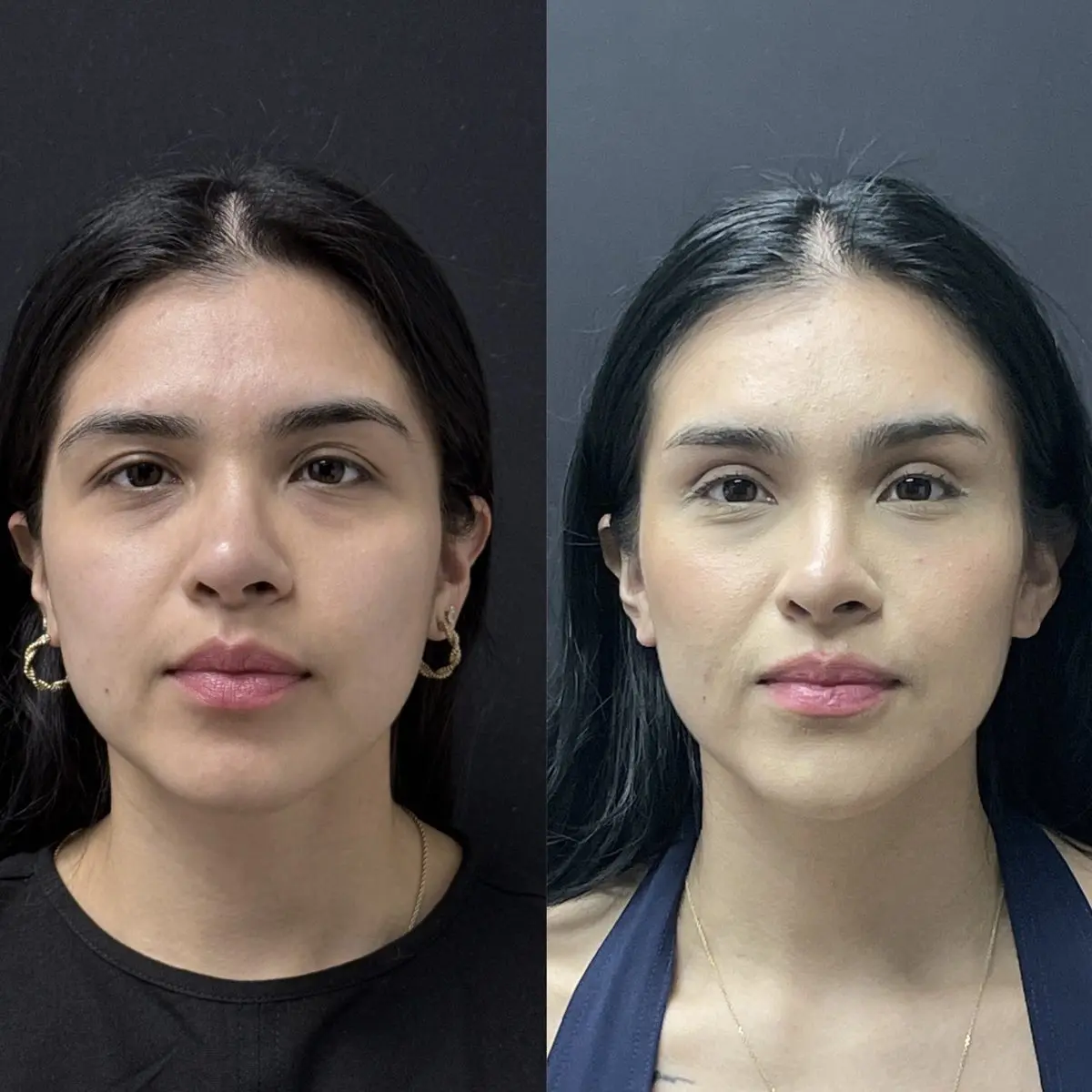
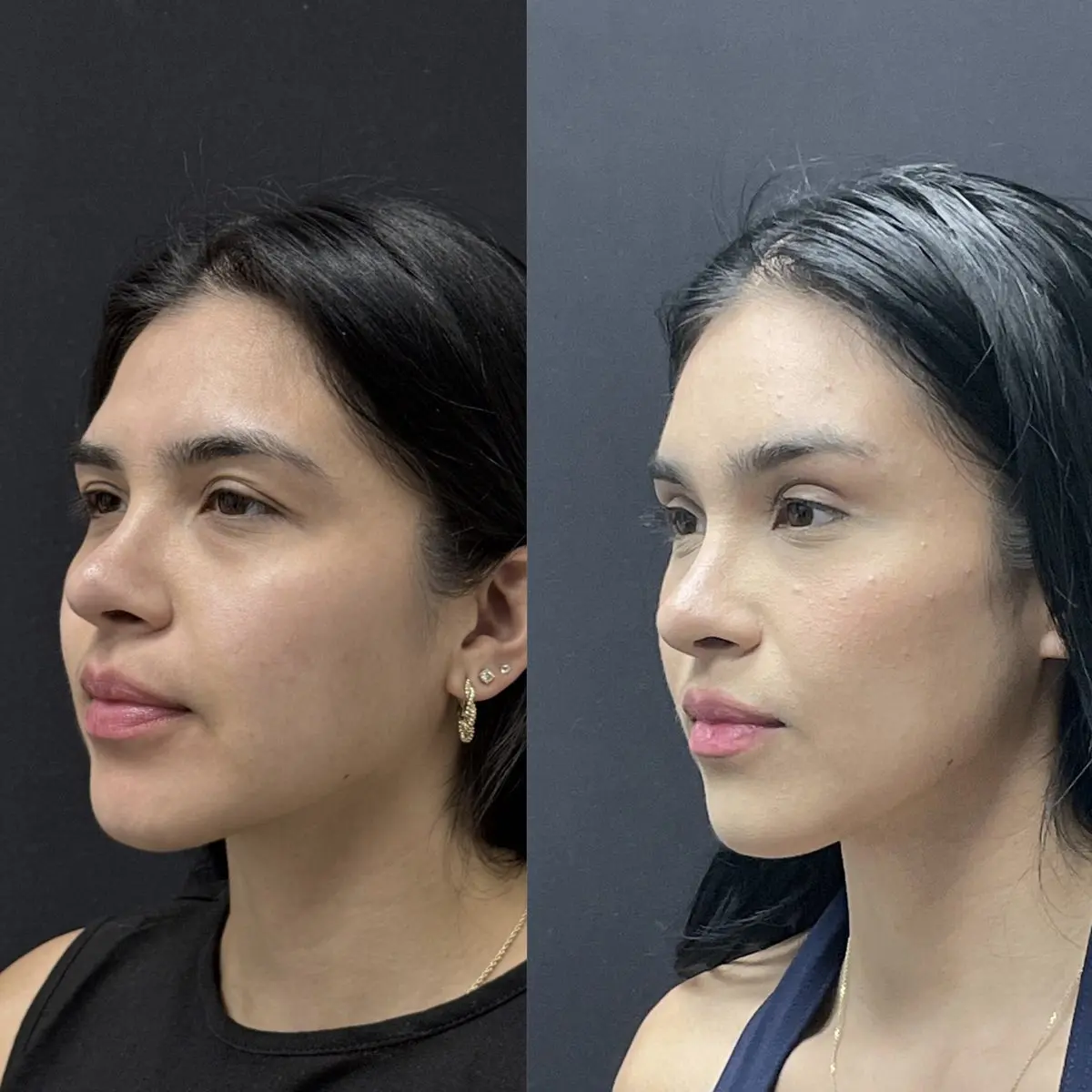
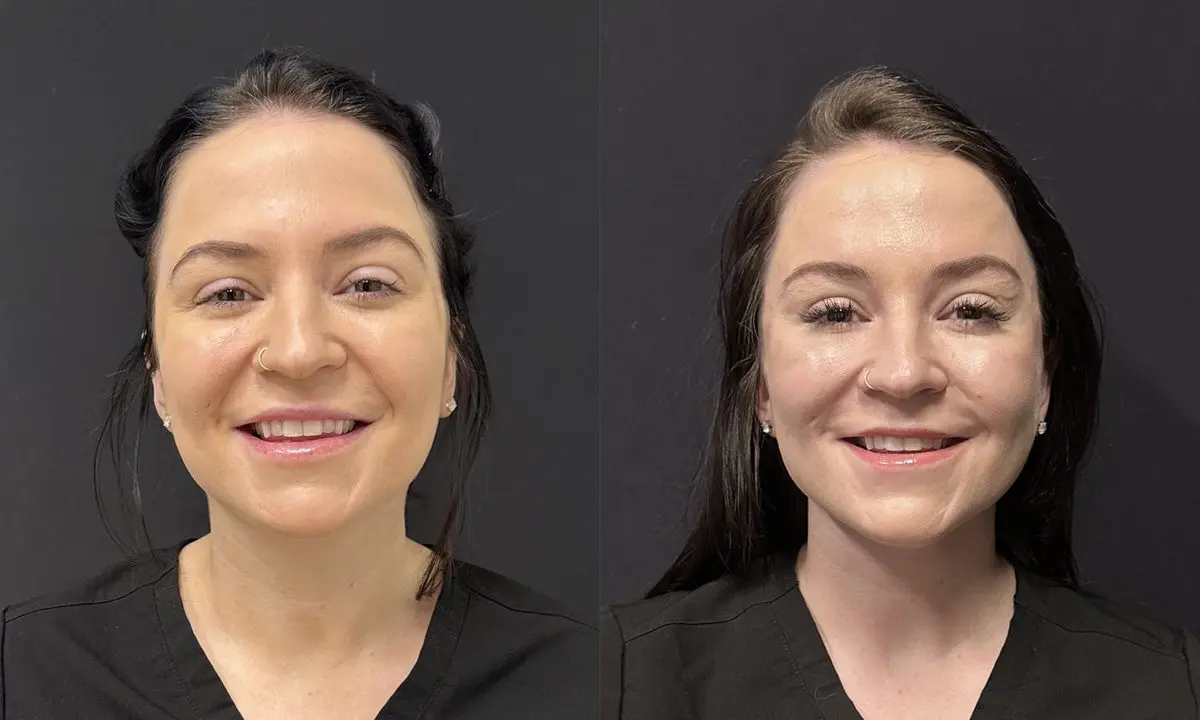
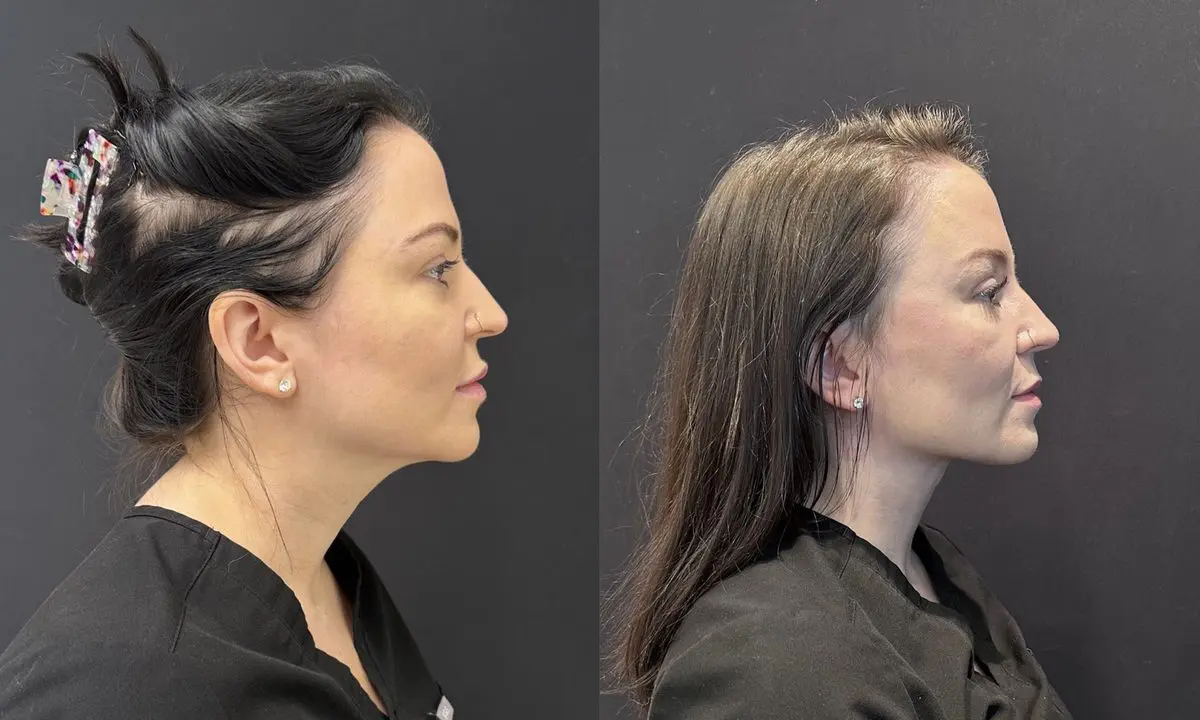
The following cases illustrate these procedures across the age spectrum. We have examples of an endoscopic upper facelift in a patient in her 20s, a full endoscopic face and neck lift combined with an upper facelift in a patient in her 30s — both scarless approaches — as well as traditional face and neck lift cases in patients in their 40s, 50s, 60s, and 70s.
Hidden Scar Upper Facelift — Patient in Her 20s
This patient underwent a scarless endoscopic upper facelift addressing early brow descent and periorbital aging. No traditional incisions.
Front view
Oblique view
Full Endoscopic Face, Central Face & Neck Lift — Patient in Her 30s
This patient underwent a fully scarless endoscopic upper facelift, central face, and neck lift combined with lipoderma fat grafting and upper lid blepharoplasty. No traditional incisions. No visible scarring.
Front view
Side view
Traditional Face & Neck Lift — Patient in Her 40s
This case illustrates that traditional facelift surgery is entirely appropriate for women in their 40s — and that operating at this age, when tissue quality is high and skin laxity is moderate, produces some of the most natural-looking results we achieve.
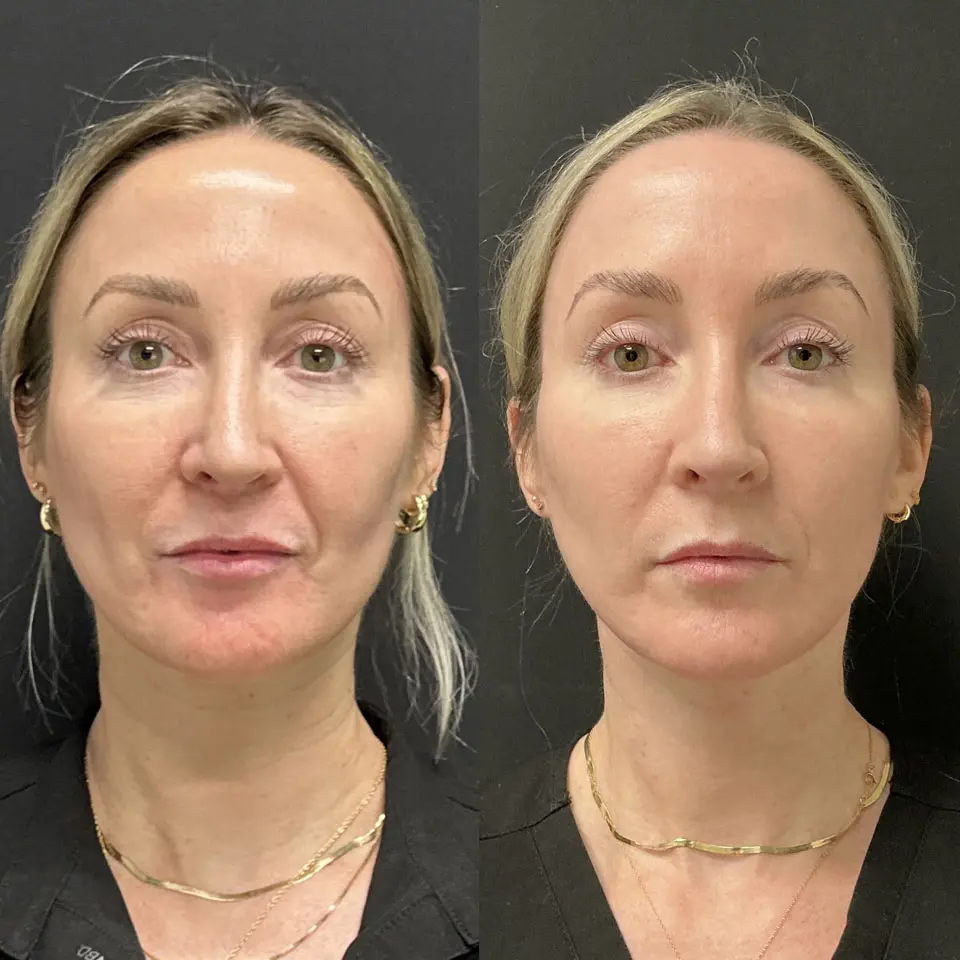
Front view
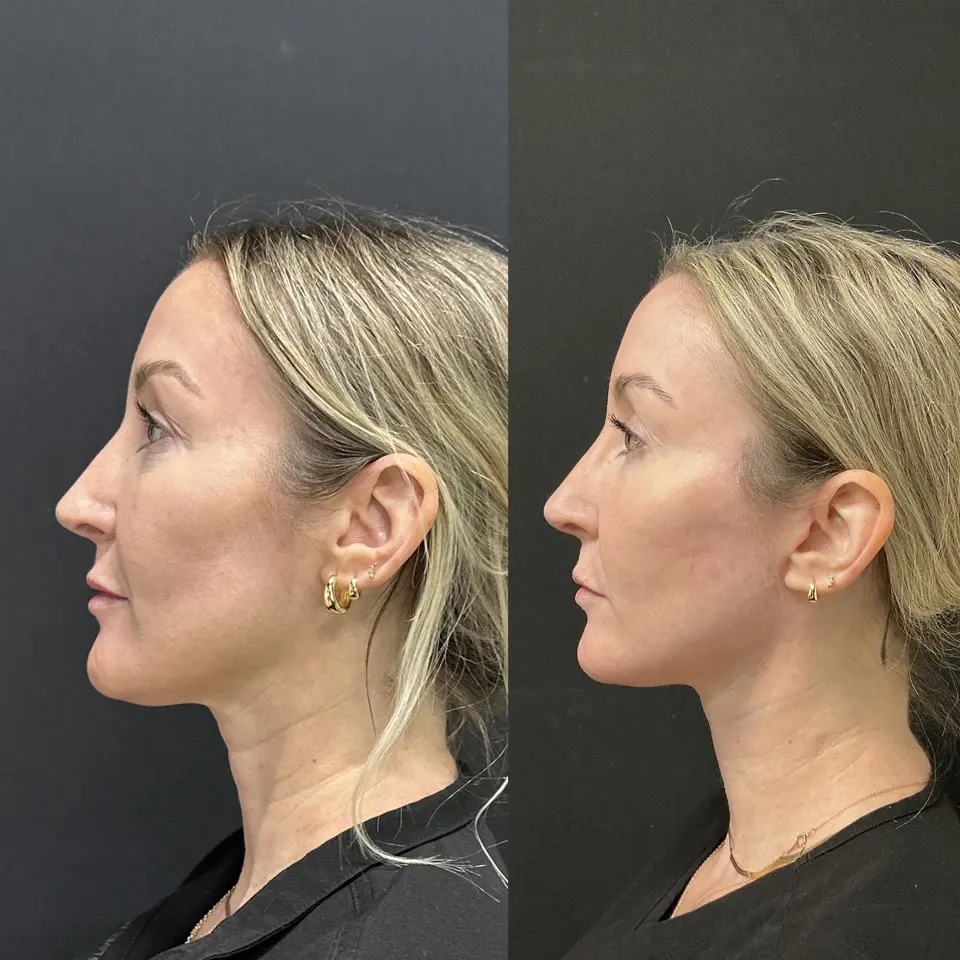
Side view
Traditional Face & Neck Lift — Patient in Her 50s
This patient is representative of what I consider the current sweet spot for traditional facelift surgery — enough aging to justify the procedure, with the tissue quality and skin elasticity that allow for particularly natural, long-lasting results.
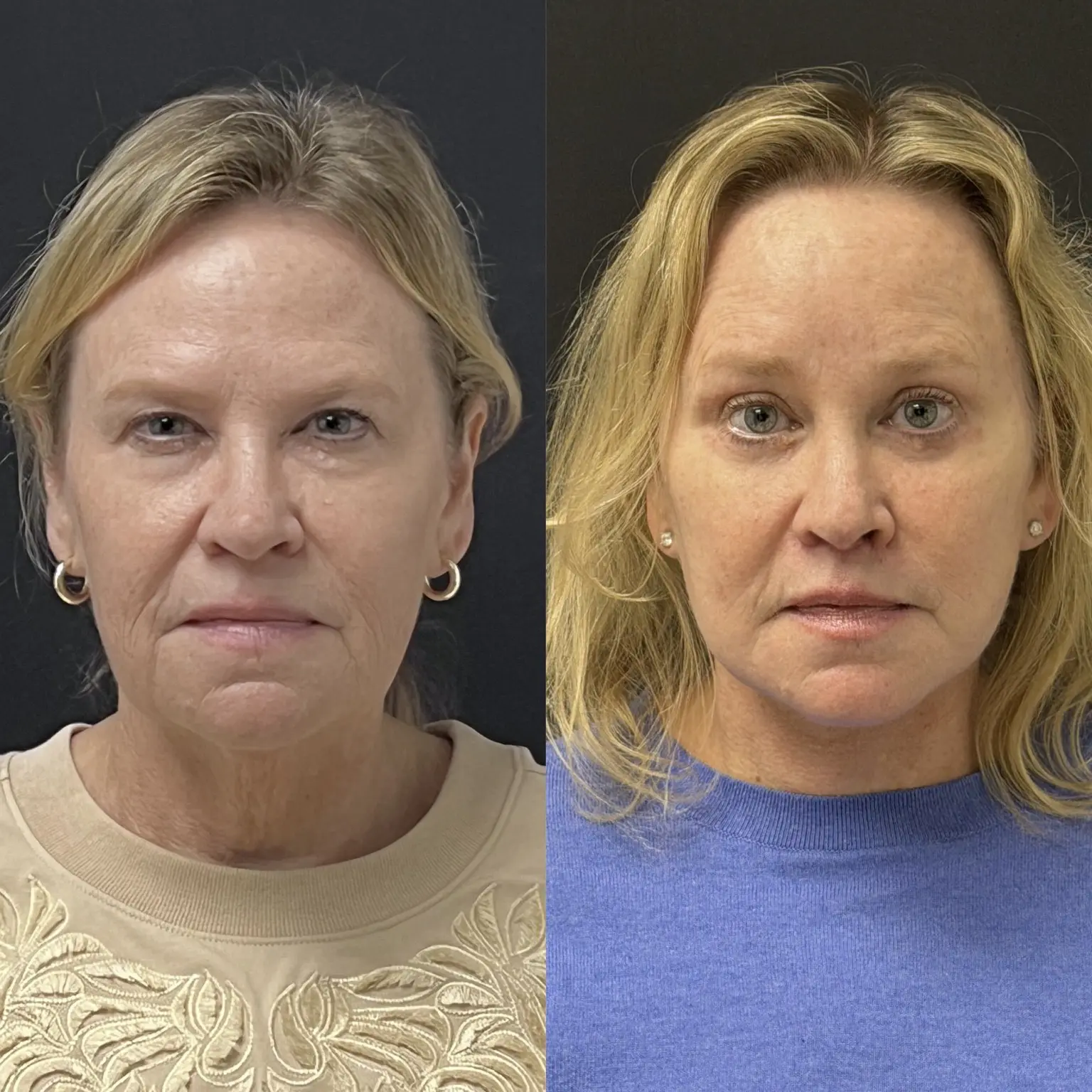
Front view
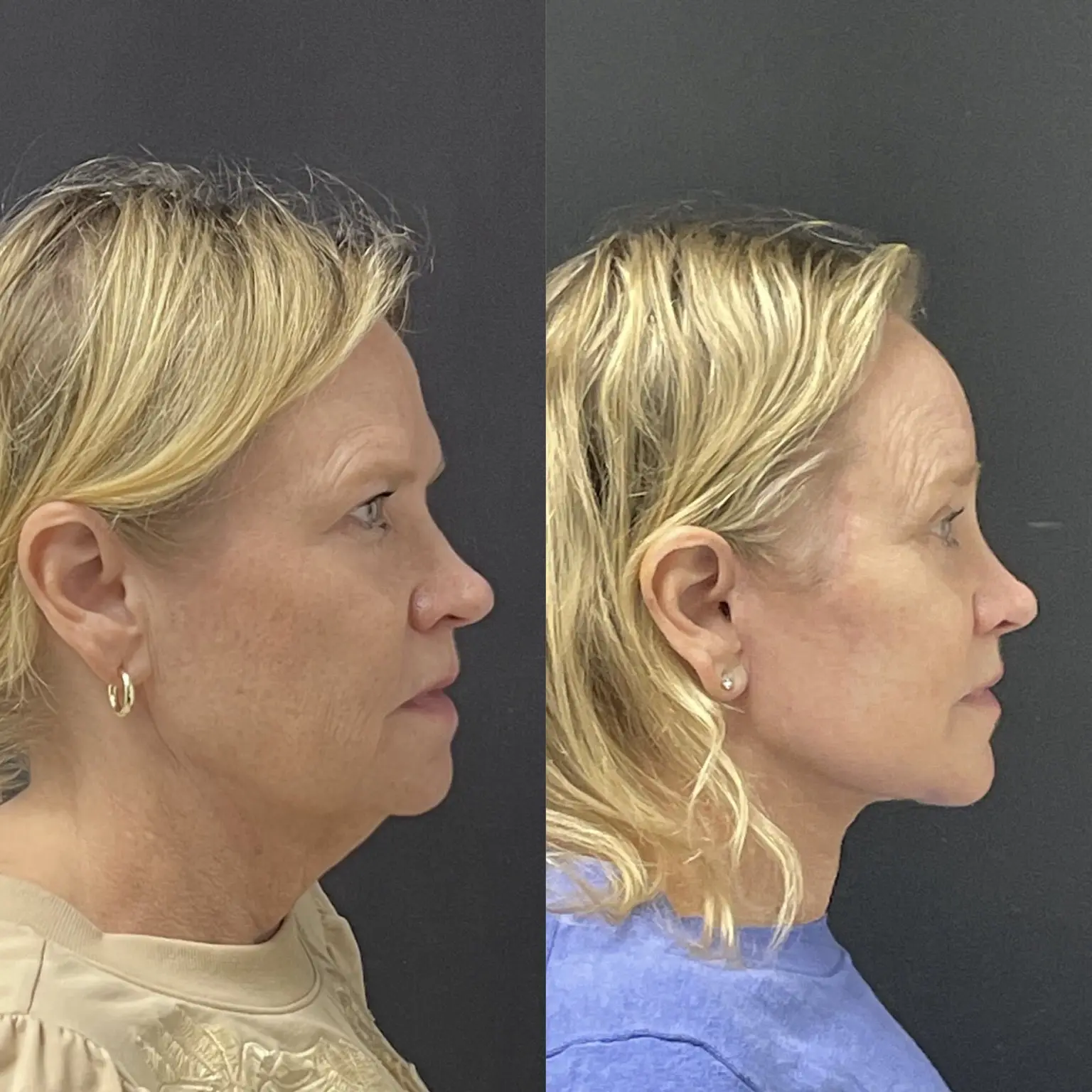
Side view
Traditional Face & Neck Lift — Patient in Her 60s
This patient underwent a traditional face and neck lift addressing significant skin laxity, jowling, and neck changes characteristic of this decade.
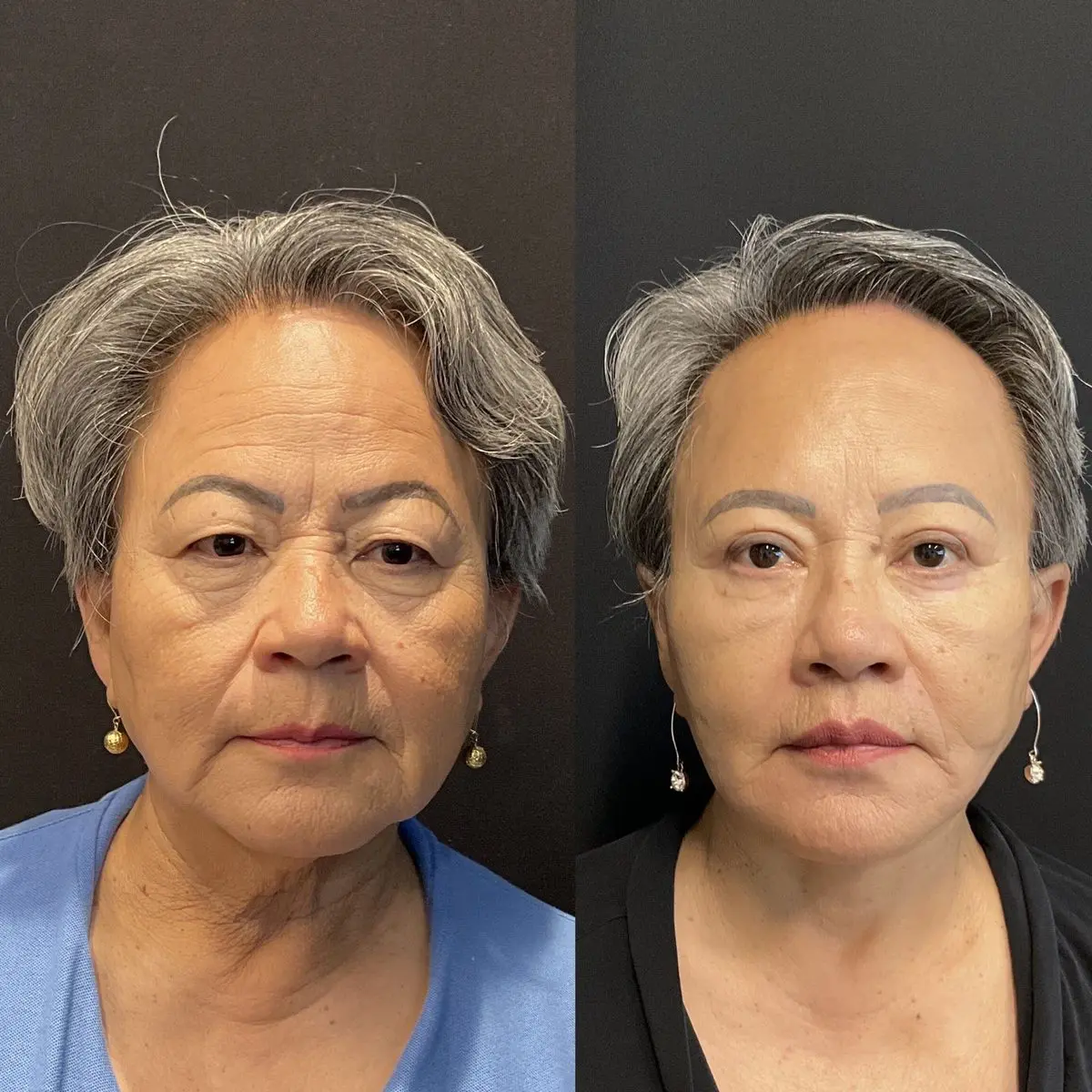
Front view
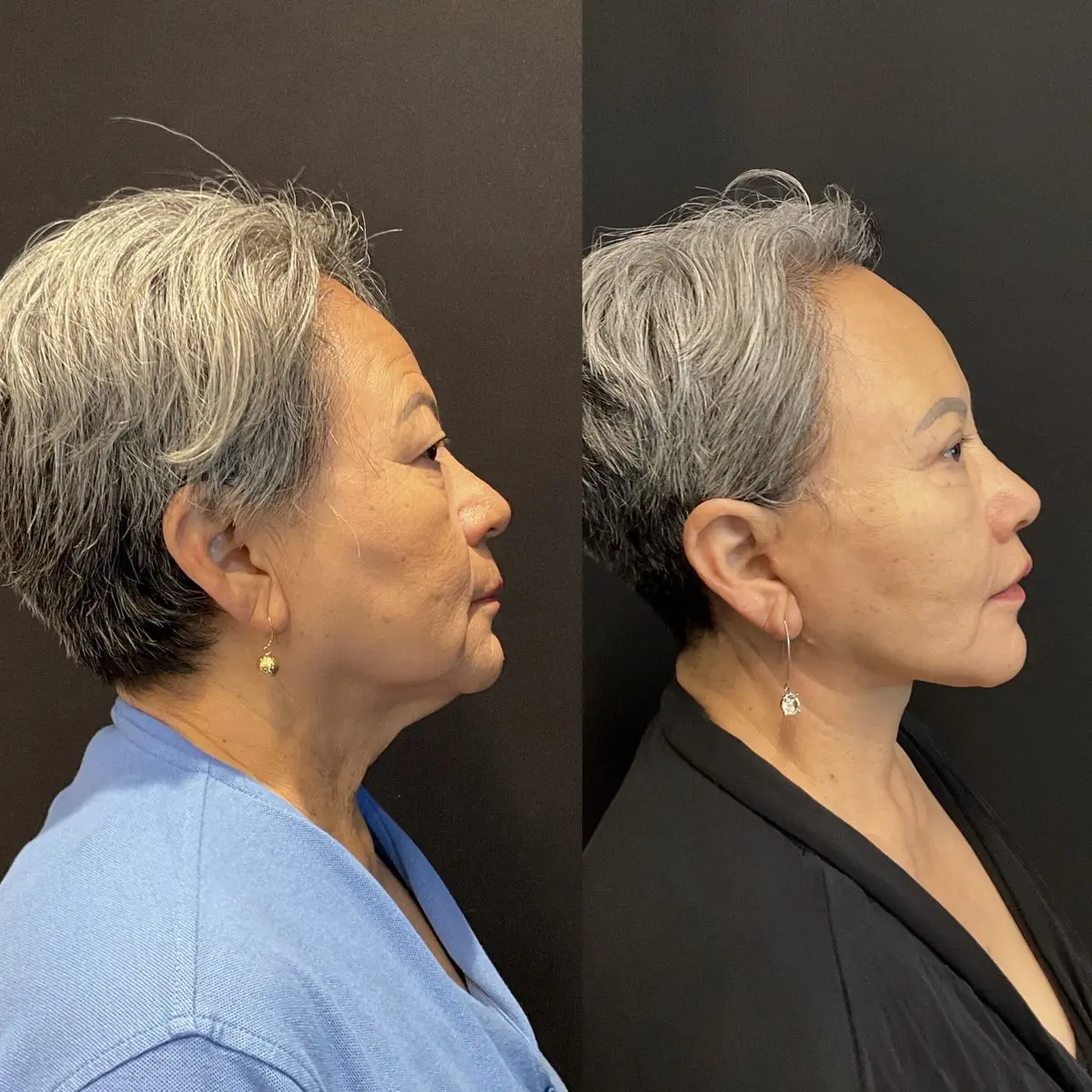
Side view
Traditional Face & Neck Lift — Patient in Her Late 70s
This patient underwent a traditional face and neck lift demonstrating that excellent, natural results are achievable well into the later decades with proper patient selection and technique.
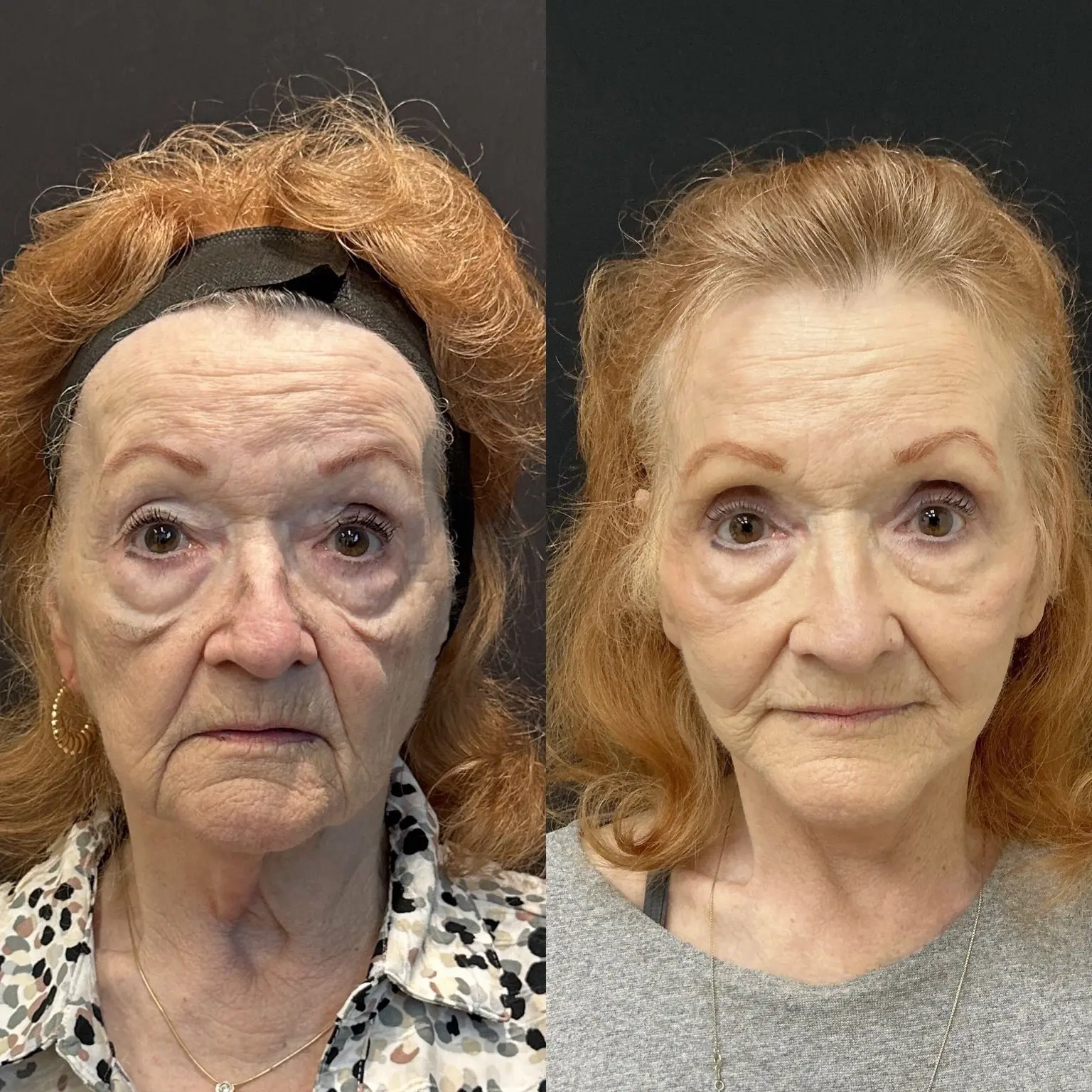
Front view
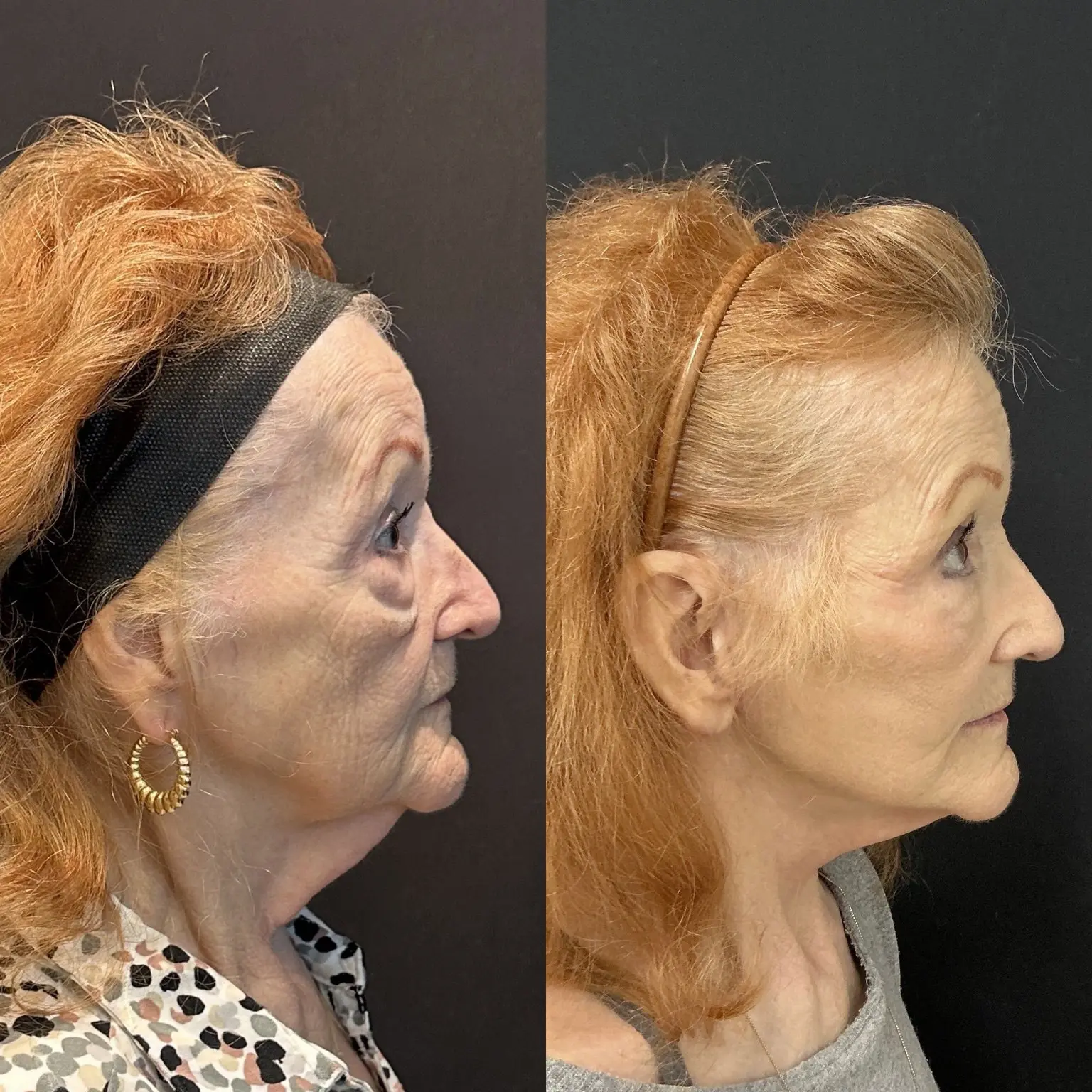
Side view
References
- Liu TS, Owsley JQ. Long-term results of face lift surgery: patient photographs compared with patient satisfaction ratings. Plast Reconstr Surg. 2012;129(1):253–262.
- Adamson PA, et al. Age-based comparisons of patients undergoing secondary rhytidectomy. Aesthet Surg J. 2002;22(6):526–530.
- Grotting JC, et al. Preoperative risk factors and complication rates in facelift: analysis of 11,300 patients. Aesthet Surg J. 2016;36(1):1–13.
- Patel BC, et al. Association of face-lift surgery with social perception, age, attractiveness, health, and success. JAMA Facial Plast Surg. 2017;19(4):298–304.
- Rohrich RJ, et al. Secondary facelift: experience with 60 consecutive patients. Plast Reconstr Surg. 2008;121(2):646–652.
A review of the published literature supports what I’ve seen in clinical practice: facelifts can be performed safely in older patients without a significant increase in complication rates, and facelifts performed at a somewhat younger age tend to produce more natural and longer-lasting results.
Disclosures: All content on this page was created by Dr. Adam Weinfeld, MD. Content was dictated by Dr. Weinfeld and edited for spelling, grammar, and word choice using AI-assisted tools. All clinical opinions, recommendations, and perspectives are solely those of Dr. Weinfeld. Patient photographs are unretouched. Individual results vary and are not guaranteed. Facelift and facial rejuvenation surgery carry risks including but not limited to bleeding, infection, scarring, nerve injury, asymmetry, and the need for revision surgery. This content is for informational purposes only and does not constitute medical advice. Consult a board-certified plastic surgeon to determine whether you are an appropriate candidate for any surgical procedure.